
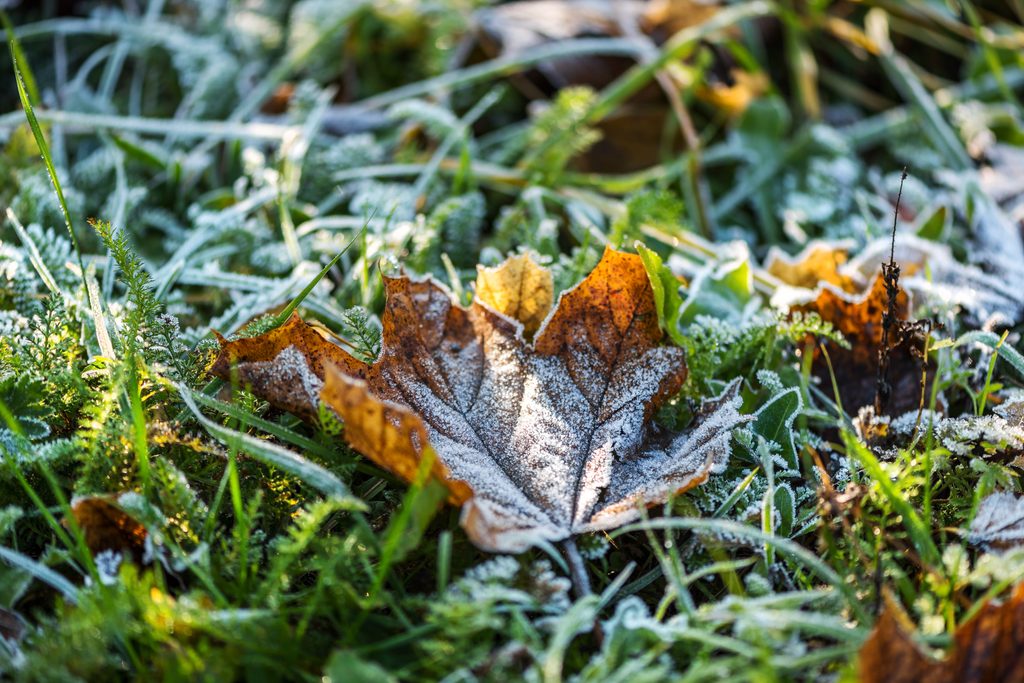
By November, commercial landscapes across the Delaware Valley begin to look different. Grass grows more slowly, deciduous trees lose their leaves and planting beds become less colorful.
These changes are part of the seasonal transition. But slower growth does not mean the property no longer needs attention. Landscape maintenance shifts toward managing fallen leaves, monitoring plant health and preparing the site for winter.
Understanding that shift helps property managers know what to expect from their landscape maintenance program as the growing season winds down.
Turf Growth Slows Before It Stops
Cool-season grasses common throughout Pennsylvania, New Jersey and Delaware respond to shorter days and cooler temperatures by producing less visible growth.
That change usually means mowing becomes less frequent. However, a mild November can keep turf growing longer than expected. The final mowing should follow actual conditions rather than a fixed date.
Cutting grass unusually short to prepare for winter can stress the turf. Your landscape provider should adjust mowing frequency while maintaining an appropriate height for the grass and site conditions.
Slower growth also means damaged areas take longer to recover. Repeated foot traffic, parked equipment or heavy debris can leave damage that remains visible until growing conditions improve.
Leaf Management Becomes a Priority
As mowing needs decrease, leaf cleanup often becomes a larger part of the maintenance schedule.
Heavy accumulations can block sunlight and trap moisture against turf. Leaves can also collect around drainage inlets, cover walking surfaces and obscure uneven pavement or other obstacles.
Different tree species shed their leaves at different times, so one cleanup visit may not address the entire property. Wind can also move leaves back into areas that were recently cleared.
A coordinated leaf management plan helps keep entrances, sidewalks, turf and drainage areas clear throughout the transition.
Trees and Shrubs Enter Their Resting Season
Leaf loss in deciduous trees and shrubs is expected in fall. As plants enter dormancy, their appearance changes, and some concerns become easier to see.
Bare branches may reveal broken limbs, structural issues or plants that have outgrown their space. Reduced foliage can also expose damage near the base of a tree or shrub.
However, seasonal change should not automatically be treated as a plant health problem. Your landscape provider can help distinguish normal leaf drop from concerns that need further evaluation.
Pruning decisions should remain specific to the plant. Cutting back every shrub in late fall can remove future flower buds or create other problems, depending on the species and timing.
Water Needs Decrease, but Do Not Disappear
Cooler weather generally reduces water demand, but plants still depend on adequate soil moisture.
Newly installed trees and shrubs may need particular attention during dry periods. Evergreens also continue to lose moisture through their foliage, even when growth is less noticeable.
Once irrigation has been winterized, recent plantings may need a separate watering plan when soil is dry and conditions are suitable. Your landscape provider should assess those needs based on rainfall, soil moisture and plant establishment.
Continuing a summer watering schedule is usually unnecessary, but assuming every plant can go without water until spring can also create problems.
Maintenance Shifts Toward Inspection and Protection
With less mowing and trimming required, the focus moves toward keeping the property orderly and identifying concerns before winter.
Depending on the site and service agreement, seasonal work may include:
- Removing leaves and accumulated debris
- Cleaning up planting beds according to plant needs
- Checking drainage areas for blockages
- Documenting damaged or declining plants
- Identifying landscape features that need protection during snow operations
- Reviewing outstanding repairs and spring improvement priorities
Some perennials and ornamental grasses may remain standing for seasonal interest or habitat value. Others may need to be cut back because of their condition or location. Bed cleanup should reflect the planting design and property’s needs.
Know What to Expect from Your Maintenance Program
A November landscape will not look or require service exactly as it did in June. The work changes as growing conditions change.
Property managers should discuss that transition with their account manager, including which services remain scheduled, how weather affects timing and how concerns should be reported between visits.
Slower growth provides a useful opportunity to evaluate the property and prepare for the next season. Continued attention helps protect the landscape investment while keeping the site presentable through late fall and winter.
Contact us today to discuss seasonal maintenance needs and develop a plan for your commercial landscape as growth slows down.