
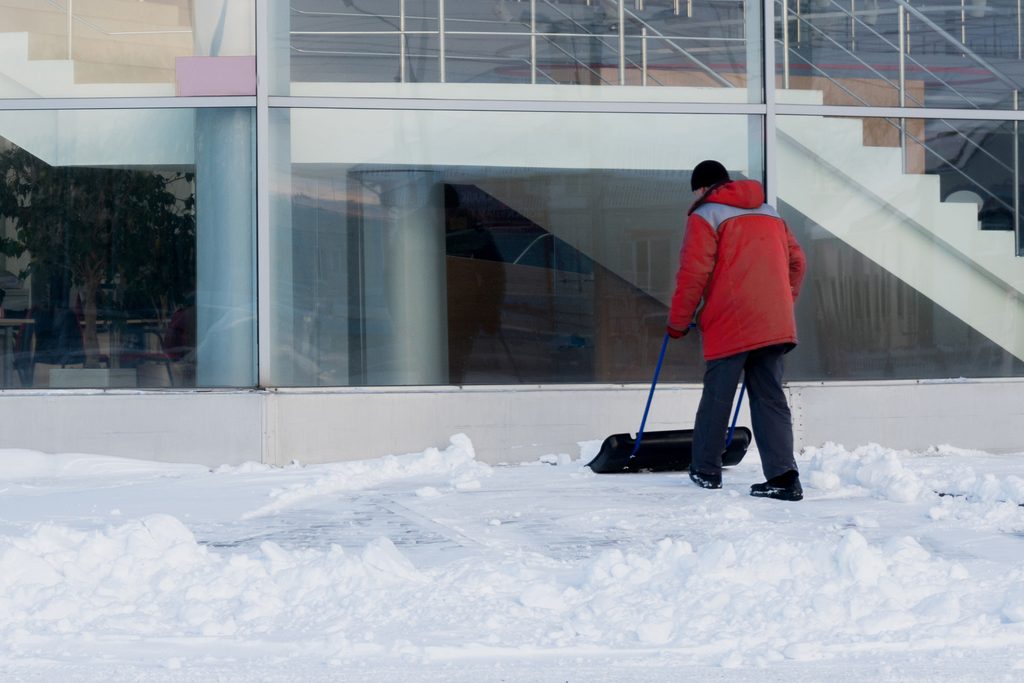
Snow and ice can create safety concerns, disrupt access and place added stress on a commercial landscape. Although winter weather may still be weeks away, October is an important time for property managers to prepare.
A clear plan helps the snow and ice management team understand the property before the first storm arrives. It also provides time to identify hazards, determine where snow can be stored and protect landscape features that could otherwise be damaged.
Schedule a Preseason Property Walkthrough
Every commercial property has different traffic patterns, access points and site conditions. A preseason walkthrough allows the property manager and snow and ice provider to review these details together.
During the walkthrough, identify:
- Main entrances and exits
- Emergency access routes
- Loading docks and service areas
- Accessible parking spaces and ramps
- High-traffic sidewalks
- Employee and visitor entrances
- Fire hydrants and utility equipment
- Areas where drifting or refreezing commonly occurs
This is also the time to discuss when different areas need to be cleared. A healthcare facility, residential community and office property may have very different operating hours and service priorities.
Identify Snow Storage Areas
Snow must be placed somewhere after it is cleared, but poor snow-pile placement can create new problems.
Snow should not block:
- Sightlines near entrances
- Accessible parking spaces
- Fire hydrants
- Storm drains
- Emergency routes
- Sidewalks or crosswalks
- Loading and delivery areas
- Utility access points
Whenever possible, avoid piling snow on valuable shrubs, young trees or sensitive planting beds. Large piles can place significant weight on branches, compact the soil and expose plants to deicing materials. As snow melts, runoff containing salt may also move into nearby turf and planting beds.
Designating snow-storage areas before winter gives crews clear direction and helps protect both the property and its landscape.
Inspect Pavement, Curbs and Drainage
Cracks, potholes, uneven pavement and damaged curbs can become harder to see once they are covered by snow. These conditions may also interfere with plowing and create areas where water collects and refreezes.
Before winter, inspect:
- Parking lots
- Sidewalks
- Curbs
- Steps
- Ramps
- Drainage inlets
- Downspout discharge areas
- Low spots where water collects
Storm drains and drainage paths should remain clear of leaves and debris. When melting snow cannot drain properly, water may pool on pavement and refreeze as temperatures fall.
Documenting existing pavement and curb damage also gives the snow management team a clearer understanding of site conditions before service begins.
Mark Easily Damaged Features
Snow cover can hide curbs, irrigation components, low walls, drains and the edges of planting beds. Installing visible snow stakes or markers helps equipment operators navigate the property without damaging these features.
Markers may be helpful around:
- Curbs and parking-lot islands
- Fire hydrants
- Drainage structures
- Irrigation equipment
- Utility boxes
- Retaining walls
- Decorative landscape features
- Planting-bed edges
- Newly installed trees and shrubs
These markers should be placed before the ground freezes and before the first accumulating snowfall.
Review Deicing Priorities
Deicing materials help support safer travel across parking lots and walkways, but their use should be planned carefully. Excess material can be tracked into buildings, enter drainage systems and affect nearby turf, soil, trees and shrubs.
A preseason plan should identify which areas receive the most pedestrian and vehicle traffic and may require the closest monitoring. Product choice and application rates should reflect pavement conditions, temperatures and the site’s needs.
Landscape areas near sidewalks, roadways and snow-storage zones should also be reviewed for salt sensitivity. In some cases, adjustments to application practices, snow placement or spring restoration plans may help reduce damage.
Protect Trees, Shrubs and Planting Beds
Winter damage does not always come directly from cold temperatures. Plants may also be affected by heavy snow, deicing salts, fluctuating temperatures, winter winds and equipment activity.
Before snow season:
- Prune dead, broken or hazardous branches when appropriate
- Remove leaves and debris from beds and drainage areas
- Check that mulch is properly placed and not piled against trunks
- Identify plants vulnerable to snow loads or salt exposure
- Mark newly installed or difficult-to-see plantings
- Document existing plant conditions
Not every tree or shrub should be pruned in fall, so pruning decisions should be based on the plant species, condition and reason for pruning.
Confirm Communication and Service Expectations
Clear communication is essential during a winter weather event. Property managers should know whom to contact, how service updates will be shared and which areas receive priority.
Before the season begins, confirm:
- Primary and backup contacts
- Property operating hours
- Priority service areas
- Site access procedures
- Notification expectations
- Special events or high-traffic periods
- Procedures for reporting changing conditions
- Responsibilities for areas outside the snow agreement
It is also important to review the scope of service so everyone understands which parking areas, sidewalks, entrances and other spaces are included.
Prepare Before the Forecast Changes
Waiting until snow is already in the forecast leaves little time to correct drainage problems, place markers or clarify service priorities. A preseason plan gives property managers and snow professionals time to prepare the site and address concerns before winter weather arrives.
The strongest snow and ice plans combine site knowledge, clear expectations and proactive communication. Preparing now can help keep your property accessible while reducing preventable damage to pavement, infrastructure and the surrounding landscape.
Contact us today to schedule a preseason property walkthrough and prepare your commercial property for snow and ice season.