
When many people think about lawn care, they picture spring.
But for commercial landscapes in the Delaware Valley, one of the most important opportunities to build a healthier lawn actually happens in the fall.
As temperatures begin to cool, cool-season turf shifts from surviving summer stress to rebuilding its root system. At the same time, many common broadleaf weeds are preparing for winter by storing nutrients in their roots.
This combination makes fall one of the most valuable seasons for fertilization and broadleaf weed control.
Rather than simply improving how your property looks today, these services help lay the groundwork for a healthier, greener landscape next spring.
Why Fall Matters for Cool-Season Turf
Commercial properties throughout Pennsylvania, New Jersey, and Delaware are typically planted with cool-season grasses.
After months of:
- Heat
- Humidity
- Heavy foot traffic
- Mowing
- Summer storms
- Drought stress
the lawn is ready to recover.
Unlike summer, cooler fall temperatures allow turf to focus less on surviving and more on developing stronger roots.
That makes fall an ideal time to provide the nutrients needed for long-term health.
Fall Fertilization Supports Stronger Root Growth
Fertilizer is often associated with greener grass, but its biggest benefit during the fall happens below the surface.
A properly timed fall application helps turf:
- Strengthen root systems
- Recover from summer stress
- Store energy for winter dormancy
- Improve overall turf density
- Support earlier spring green-up
Rather than forcing excessive top growth, fall fertilization helps prepare the lawn for the challenges of winter and the demands of the next growing season.
Why Broadleaf Weed Control Works Well in the Fall
Not all weeds behave the same way throughout the year.
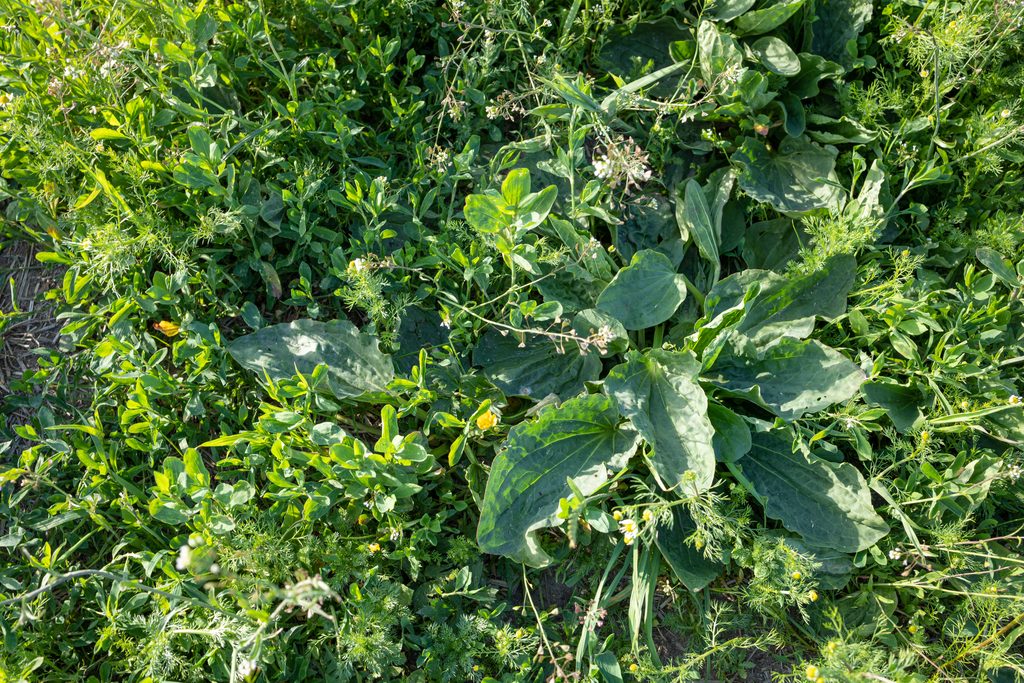
Many common broadleaf weeds—including dandelion, clover, plantain, and ground ivy—begin moving nutrients into their root systems during the fall as they prepare for winter.
This natural process makes fall an effective time to target these weeds.
Controlling broadleaf weeds now can:
- Reduce weed populations next spring
- Improve turf appearance
- Give desirable grass more room to grow
- Reduce competition for water and nutrients
It’s important to remember that this is different from spring crabgrass prevention. Broadleaf weed control and crabgrass control are separate parts of a comprehensive lawn care program.
Healthier Turf Is the Best Weed Prevention
While weed control is important, healthy turf remains your property’s best long-term defense.
Dense, vigorous grass naturally competes with weeds by limiting the sunlight, space, and resources they need to establish.
Fall fertilization contributes to:
- Thicker turf
- Stronger root systems
- Better drought tolerance
- Improved recovery from traffic
- Reduced opportunities for weeds to invade
The goal isn’t simply eliminating weeds—it’s creating conditions where healthy turf becomes the dominant plant.
Fall Is the Time to Repair Summer Damage
Summer often leaves behind more than brown grass.
Commercial properties frequently experience:
- Thin turf
- Bare spots
- Compacted soil
- Increased weed pressure
- Areas weakened by heat or heavy use
Fall lawn care programs often work best when combined with other seasonal services, such as:
- Aeration
- Overseeding
- Irrigation adjustments
- Soil improvements
Together, these services help rebuild turf rather than simply maintaining it.
A Better Lawn Starts Before Winter
One of the biggest misconceptions about lawn care is that everything starts in the spring.
In reality, many of the improvements people notice in April and May are the result of work completed the previous fall.
Fall fertilization helps prepare the turf for winter.
Broadleaf weed control reduces competition before spring growth begins.
Together, they help create a stronger, healthier lawn that enters the next growing season with a solid foundation.
Is Your Property Ready for Fall Lawn Care?
Every commercial property is different.
Factors such as turf condition, traffic levels, irrigation performance, soil health, and existing weed pressure all influence the right maintenance program.
A fall property evaluation can help determine whether your landscape would benefit from:
- Fall fertilization
- Broadleaf weed control
- Aeration
- Overseeding
- Turf renovation
- Irrigation adjustments
Taking action now helps position your landscape for stronger performance next spring.
Schedule Your Fall Lawn Care Program
Fall is one of the most important seasons for building healthier commercial landscapes.
If your property experienced summer stress, thinning turf, or increasing weed pressure, now is the ideal time to take action.
Schedule your fall lawn care application today and help prepare your property for a healthier, greener spring.